AI Product Updates Daily — June 9, 2026
Apple's WWDC 2026 shipped a rebuilt Siri on a licensed 1.2-trillion-parameter Google Gemini model, formally deprecated SiriKit, and waived cloud AI fees for small developers. OpenAI filed its confidential S-1 for an IPO at a $852B–$1T valuation. Google upgraded NotebookLM to Gemini 3.5 with an embedded cloud computer. Anthropic doubled Claude Cowork limits through July 5. Moonshot AI launched Kimi Code CLI on Kimi K2.6.

Apple's WWDC 2026 keynote dominated the day's AI news cycle, shipping a rebuilt Siri on a licensed 1.2-trillion-parameter Google Gemini model, formally deprecating SiriKit for developers, and waiving cloud AI fees for small developers. Outside Cupertino: OpenAI filed confidentially for its IPO, Google's NotebookLM got a Gemini 3.5 upgrade with an embedded cloud computer, Anthropic doubled Claude Cowork limits for a month, and Moonshot AI launched Kimi Code CLI — a terminal coding agent that undercuts Claude Code on price.
Apple — WWDC 2026: Siri rebuilt on Google Gemini, SiriKit deprecated
Apple held its annual developer conference at Apple Park on June 8, with Tim Cook delivering his final WWDC keynote before John Ternus takes over as CEO on September 1, 2026.
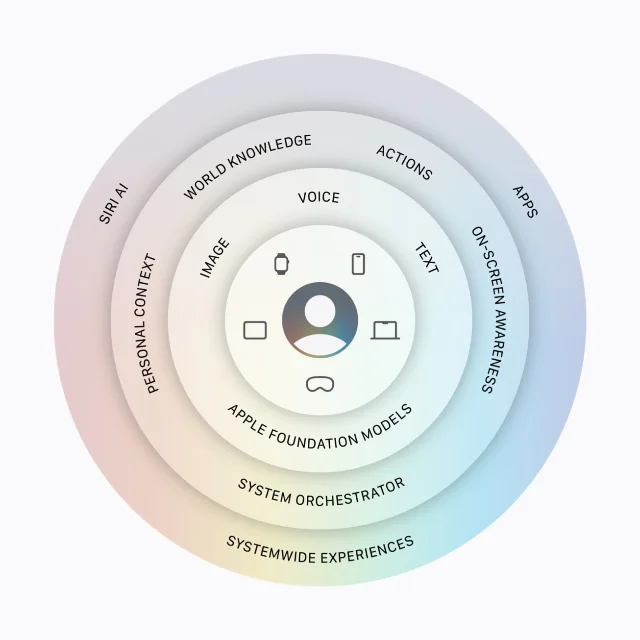
Siri AI: The rebuilt assistant is the headliner. Apple licensed a custom 1.2-trillion-parameter Google Gemini model — reported at roughly $1 billion per year, confirmed by Google Cloud CEO Thomas Kurian — to power the new Siri. The model uses a mixture-of-experts design that activates roughly 32 billion parameters per query. Simple requests run on Apple's on-device Foundation Models; complex ones escalate to Nvidia Blackwell B200 chips on Google Cloud, where hardware-based confidential computing encrypts inputs, model weights, and outputs in GPU memory so neither Apple nor Google can read them in plaintext. Apple also contractually bars Google from training future Gemini models on Siri queries.1
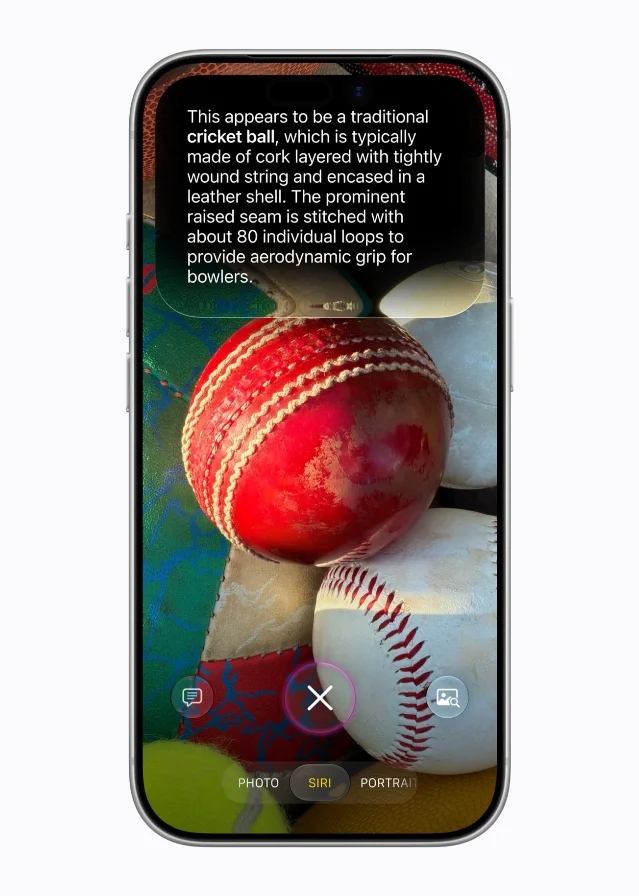
Siri now has a standalone app (with conversation history synced across devices via iCloud), supports multi-step commands, can answer questions about on-screen content, and works inside the Dynamic Island with a "Search or Ask" prompt. Visual Intelligence — point your camera at an object to ask questions — extends across iPhone, iPad, and Mac.2
Apple Intelligence features (iOS/iPadOS/macOS 27):3
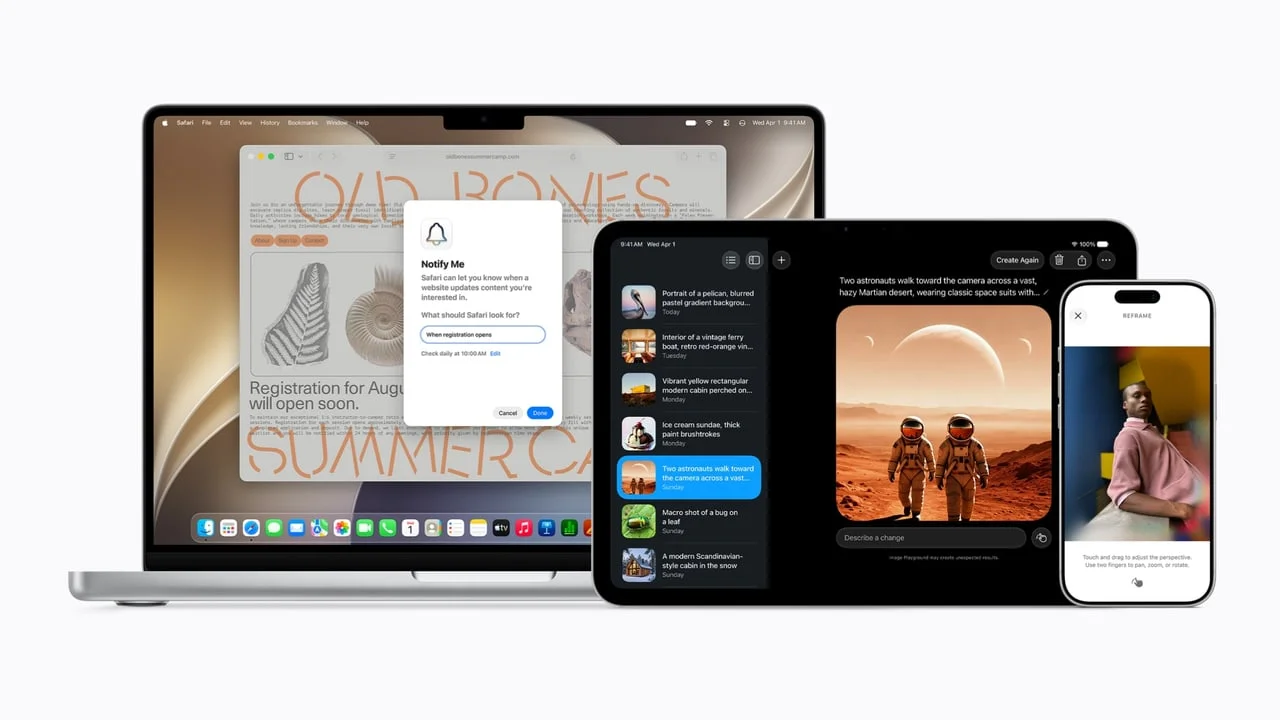
- Photos: Spatial Reframing (reposition the virtual camera after shooting), Extend (expand image edges), upgraded Clean Up for complex scenes. AI-edited photos automatically include a hidden SynthID watermark.
- Safari: auto tab organization by topic, Notify Me (monitor any page for changes like restocks or price drops), Describe an Extension (vibe-code a custom Safari extension in plain language).
- Passwords: can now fix weak or compromised passwords automatically, navigating websites on the user's behalf via agentic Safari.
- Messages & Mail: one-tap contextual suggestions (create reminder, find a photo); Smart Reply draws on personalized writing style.
- Phone: Call Context pulls relevant info (flight confirmation codes, reservation numbers) from Mail mid-call, running entirely on-device.
- Image Playground: revamped with photorealistic image generation via a new Private Cloud Compute model; available for Lock Screen wallpapers and Contact Posters.
- Shortcuts: describe a workflow in natural language, and Apple Intelligence assembles the shortcut.
- Home: AI-generated video descriptions for security cameras; search through camera clips; noteworthy clips surfaced automatically.
Image generation features carry daily usage limits; higher iCloud+ tiers raise those limits.3
SiriKit formally deprecated: Apple confirmed at the Platforms State of the Union that App Intents is now the only integration surface for Siri, and SiriKit — which has powered voice features since 2016 — received a formal deprecation notice. Developers have roughly two to three years before voice-assistant functionality on SiriKit breaks. Apps that skip App Intents become invisible to a Siri that can chain actions across apps; Apple named early App Intents partners including Uber, Amazon, YouTube, WhatsApp, and AllTrails.4
Developer tools:
- Xcode 27: on-device AI code completion running on Apple Silicon (no cloud round-trip), with optional routing to third-party models.
- Foundation Models framework: on-device language and image reasoning, now with image-input support and server-side model access. Developers can declare per-intent cloud vs. on-device routing via new privacy manifest APIs — relevant for regulated data.
- Foldable layout APIs: hinge-state detection and multi-configuration display handling in SwiftUI and UIKit, laying groundwork for the expected iPhone Fold in fall 2026.
- macOS 27 "Golden Gate": Siri built into Spotlight; ends support for several older Intel Macs.
- iOS 27: supports all devices from iPhone 11 onward — "more users than any iOS release ever," Apple said. Apps launch ~30% faster; AirDrop transfers ~80% faster.
Cloud AI fees waived for small developers: Apple announced that developers with fewer than 2 million initial App Store downloads can use Foundation Models on Private Cloud Compute without cloud API access fees. The policy targets independent developers who want to build Apple Intelligence features without absorbing cloud infrastructure costs.5
Availability: Developer betas began June 8. Public beta expected mid-July 2026. Full release targeting fall 2026 alongside new iPhone hardware. Siri AI in iOS/iPadOS will not initially launch in the EU; China launch pending regulatory compliance.
OpenAI — IPO filed confidentially with the SEC
OpenAI filed a confidential S-1 with the Securities and Exchange Commission, targeting a September 2026 listing at a valuation between $852 billion and $1 trillion. The company's most recent private market valuation stood at $730 billion following a $122 billion funding round earlier this year. A spokesperson noted the timeline is flexible: "as a private company, some of the things we want to do are easier — but this gives us the optionality to go public sooner if that's better." A concurrent tender offer is underway to let employees sell shares to private investors.6
Google — NotebookLM upgraded to Gemini 3.5 with embedded cloud computer
Google shipped a major NotebookLM update, switching the default model to Gemini 3.5 (described as improving accuracy and reliability) and adding three capabilities:7
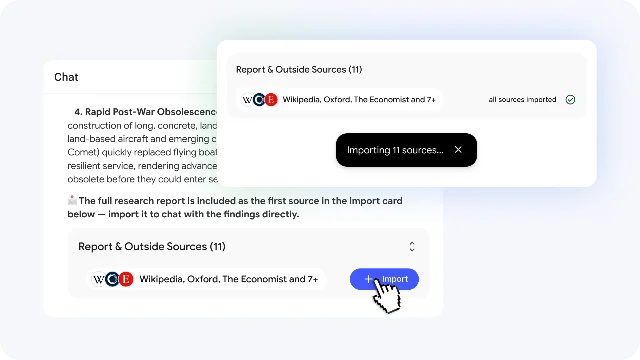
- Source search: users can start a research project by asking a question rather than importing documents — NotebookLM searches the web and surfaces candidates to import (powered by Google Search).
- Secure cloud computer via Antigravity: each notebook connects to an Antigravity-backed cloud computer, allowing NotebookLM to write and run code to assist research.
- Expanded output formats: PDFs, Excel, PowerPoint, CSVs, data visualizations (PNG/SVG), and AI-generated images (via Nano Banana).
The update goes first to Google AI Ultra subscribers and Workspace customers; wider rollout follows.
Google Cloud: Effective June 9, the feature management toggle for Gemini 3.5 Flash is removed — the model is now enabled by default for all Google Cloud customers with no opt-out toggle.8
Anthropic — Claude Cowork limits doubled through July 5
Anthropic is running a one-month promotion (June 5 – July 5, 2026) that doubles the standard 5-hour daily usage limit in Claude Cowork at no extra cost for Pro, Max, and Team subscribers. Weekly limits remain unchanged.9
The move is widely read as a lock-in play ahead of Anthropic's IPO — giving users more platform time right as Apple's WWDC and other competitors' announcements compete for developer attention.
Moonshot AI — Kimi Code CLI launches on Kimi K2.6
Moonshot AI released Kimi Code CLI, an open-source terminal coding agent written in TypeScript and distributed via npm, backed by the Kimi K2.6 model: 1 trillion total parameters with ~32 billion active per token (mixture-of-experts), 256K context window, ~58.6% on SWE-bench Pro.10
The agent reads and edits code, runs shell commands, searches files, and fetches web pages autonomously. It ships with two autonomy modes: Plan mode (lays out steps before acting, requires approval) and YOLO mode (no prompts, runs end to end). Installation requires Node.js 24.15+ or a one-command install script. API pricing runs approximately $0.60–$0.95 per million input tokens on Kimi Platform — substantially below Claude Code's rates.
K2.6 weights are open and available via self-hosting, OpenRouter, and DeepInfra.
Hitachi joins Anthropic's Project Glasswing
Hitachi signed on as the latest enterprise partner in Project Glasswing, gaining early access to the Claude Mythos Preview model to strengthen cybersecurity posture across Hitachi Group's critical infrastructure operations.11
Coverage window: June 8–9, 2026. Sources: Apple Newsroom, TechCrunch, The New York Times, The Verge, Lushbinary, Mezha, The New Stack, Google Cloud release notes.
References
- 1Apple unveils next generation of Apple Intelligence, Siri AI, and more
- 2WWDC 2026: Everything announced on Siri AI, iOS 27, Apple Intelligence and more
- 3Apple Intelligence brings powerful AI capabilities into everyday experiences
- 4WWDC 2026: iOS 27, New Siri & Dev Tools
- 5Apple waives cloud AI access fees for small developers
- 6OpenAI Files Confidentially for IPO as AI Companies Rush to Wall St.
- 7NotebookLM's Gemini 3.5 upgrade adds a cloud computer and help finding sources
- 8Google Cloud release notes
- 9Why Anthropic just doubled Claude Cowork limits at no charge
- 10Kimi Code CLI: The Developer's Guide to Moonshot's AI Agent
- 11Hitachi joins Anthropic's Project Glasswing
Add more perspectives or context around this Post.